Empowering people with disabilities to live self-directed lives in community.
ELM Programs helps people live successful, independent lives in their own homes — a fresh start, and a hopeful future — through rights-based supports under Nova Scotia’s Individualized Funding framework.
A community-based future, by right
People with disabilities hold the same fundamental rights as everyone else — to choose where and how they live, to build relationships and work, and to take risks and define success on their own terms. Yet for decades, too many Nova Scotians with disabilities have had few real options, cycling through institutions, shelters, and long waitlists because the supports they needed simply weren’t available in community.
ELM Programs exists to change that. We deliver person-led, community-based supports that put choice and self-determination first — empowerment rather than mere care. When person-centred housing, Individualized Funding, and rights-aligned supports come together, lives change for the better, and we have seen it: working alongside community partners, ELM helped a participant move from no fixed address into a safe home, and into stable housing, consistent support, and substantially improved well-being.
Our value, and how we work
ELM is built around a clear idea: with the right support, every person can pursue the life they choose. Here is what sets our supports apart.
The team behind ELM
ELM is led by three senior Nova Scotia leaders in education, human-rights law, and public-interest litigation, with decades of combined experience supporting people facing complex barriers.
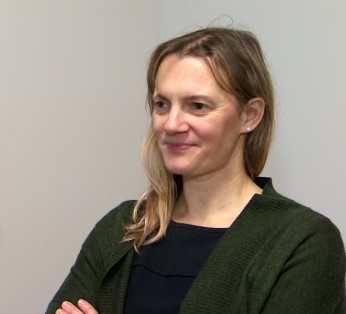
Leisha Seymour, M.Ed.
A senior leader with a graduate degree in counselling. Leisha leads ELM’s strategy and day-to-day operations, drawing on a career spanning supportive housing, justice, and disability supports.
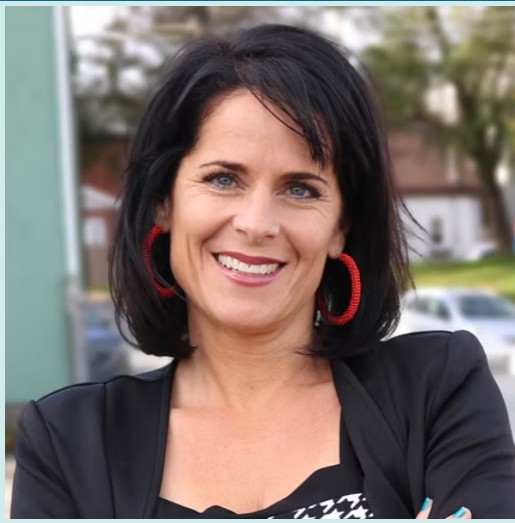
Emma Halpern, K.C., LL.M.
A human-rights lawyer focused on restorative practice and person-centred approaches, with a Master of Laws and decades of advocacy for marginalized communities.

Michael Dull, K.C.
A King’s Counsel with more than two decades representing clients facing disability-related and systemic barriers, bringing governance and operational expertise to ELM.
How ELM is governed
ELM is governed by a three-Director Board that meets regularly.
Where we work, and what we stand for

ELM lives and works in Mi’kma’ki, the ancestral and unceded territory of the Mi’kmaq People. This place is covered by the Peace and Friendship Treaties, which did not surrender land but established an ongoing nation-to-nation relationship. We are accountable to that relationship in our work.
We also acknowledge the four-hundred-year presence of African Nova Scotian communities in this place and the deep ties many families have to specific lands across generations. We honour that relationship.
ELM is committed to equity, diversity, inclusion, reconciliation, and anti-racism (EDIRA). Disability does not exist in isolation — it intersects with race, gender, sexuality, class, immigration status, and history with systems of state intervention. Our services, our hiring, and our governance are shaped by that understanding, and we work in partnership with Mi’kmaq, African Nova Scotian, and other equity-deserving communities to ensure our supports are accessible, culturally safe, and rights-based.